Delivery Performance
17 minutes reading time

Many engineering teams reach a point at which their current workflow starts to create friction. And you eventually feel the strain through rising cycle times, shifting priorities, or uneven delivery pace. These issues force careful decisions about which structure offers greater stability without slowing progress.
So, to help you out, we'll compare two systems (Kanban vs Scrum) and see how each one affects flow, predictability, and daily execution inside your team. But first, let’s ground the discussion by clarifying how these two Agile frameworks actually operate.
Here's a quick comparison of the two:
|
Aspect |
Kanban |
Scrum |
|
Workflow structure |
Continuous pull-based flow where work moves as capacity opens. |
Works in fixed iterations (usually two-week sprints) with a sprint backlog. |
|
Cadence |
No fixed cycles; flow is ongoing at all times. |
Defined cadence with recurring sprints and structured events. |
|
Planning approach |
No fixed due dates; priorities shift as capacity opens. |
Sprint planning defines a committed set of tasks for each cycle. |
|
Change philosophy |
Continuous reprioritization is allowed; it supports dynamic demand. |
Discourages changes mid-sprint to protect stability and planning confidence. |
|
Roles & responsibilities |
No required formal roles; ownership is shared across the team. |
Has defined roles: product owner, scrum master, development team. |
|
Metrics focus |
Cycle time, lead time, throughput, WIP limits, flow stability. |
Velocity, burndown charts, and stability of sprint outcomes. |
|
Tools commonly used |
Jira, Kanbanize, Asana, Axify. |
Jira, Axosoft, Vivify Scrum, Axify. |
|
Board behavior |
Persistent board; tasks move continuously without resets. |
The board resets every sprint based on sprint commitments. |
|
Strengths highlighted in studies |
More flexible; smoother long-term flow and fewer customer-reported defects. |
Stronger teamwork and clearer paths early on; better sprint-level quality checks. |
Insider tip: Axify integrates with both systems and gives you a clear view of productivity, flow, and cycle time. It works above the process itself, so you don’t have to commit to a single methodology to measure performance accurately.

Kanban is a continuous-flow approach that helps you manage flow by visualizing work on a Kanban board and controlling demand through WIP limits. It grew out of lean manufacturing, where teams focused on reducing wait time and improving flow across shared workflow stages.
In a 2024 survey of software companies, 85–90% of software engineers, project managers, CEOs, and HR managers reported that Kanban has a stronger positive impact on their work and project outcomes than other Agile methods such as Scrum, XP, or DSDM.

Up next, let’s see what its counterpart looks like.
Scrum is an iterative approach where you work in fixed cycles and use structured events to guide Agile teams through each step. It relies on a product backlog, clear responsibilities for the whole team, and routine touchpoints like sprint planning and retrospectives to keep priorities aligned.
This structure helps teams manage changing goals with a steady cadence.
In 2022, this format was dominant: 87% of respondents used Scrum at the team level, whereas just 56% used Kanban.
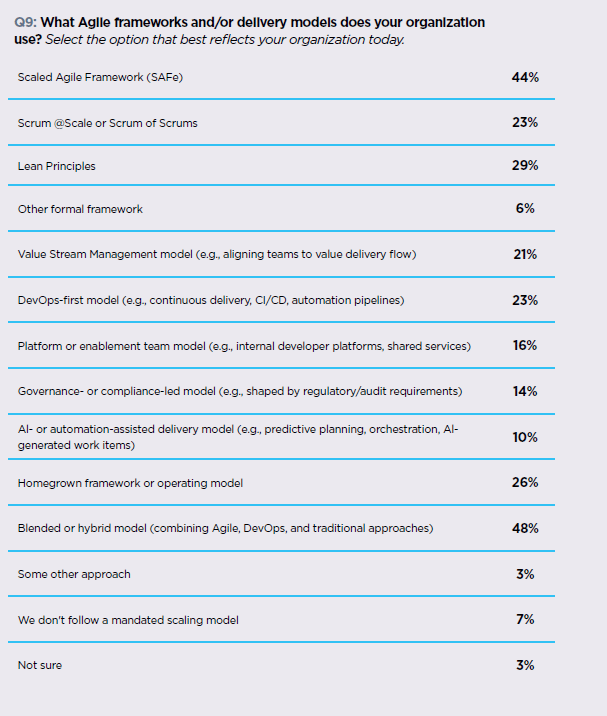
However, the most recent 2024 State of Agile Report sees only 23% of respondents using Scrum, with no data on Kanban usage. Still, we can infer that some teams using hybrid models, lean principles, or other approaches might use Kanban principles or feature it in some way.
Now, just like we did with Kanban, here's a short video explaining what Scrum is in a deeper way.
This leads us to our main point.
Both systems help software development teams create structure, but they shape flow in very different ways. And these differences affect how you plan, react to pressure, and maintain workflow efficiency.
Here are the areas where the gap becomes clear.
Scrum moves in fixed iterations, usually two-week sprints. The team works against a defined sprint backlog within that fixed time frame.
Kanban follows a continuous workflow structure where you pull work as capacity opens. Then you control demand by limiting work in progress. This shift changes how you read signals.
Scrum leans on metrics such as velocity and the percentage of sprints completed as planned. Meanwhile, Kanban leans on Kanban metrics such as average cycle time, flow stability, and queue size.
And this difference shapes the strengths of each model. A large study comparing both systems found that Scrum tends to provide clearer paths and stronger teamwork early on.
On the other hand, Kanban offers more flexibility and smoother flow control as workloads grow or shift. This pattern usually shows up when you balance complex projects with changing project requirements.
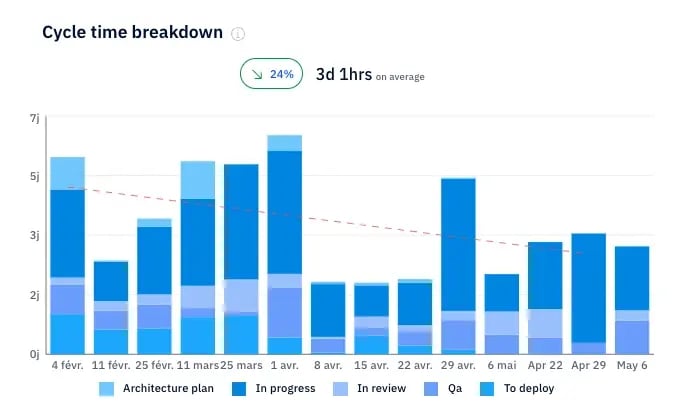
Pro tip: Axify surfaces cycle time, WIP, aged tasks, and variation data to reveal how your delivery trends change over time, regardless of the framework you use.
Scrum assigns formal roles, and each role carries clear authority over process, prioritization, and delivery scope. This includes the product owner, the scrum master, and the entire development team. Of course, this structure works well when you need high clarity around decision-making and want Agile methods that support predictable cycles.
Kanban relies more on shared ownership. And while some teams add an Agile coach, Kanban does not require a central role with process authority. That means you can adopt it without restructuring reporting lines or shifting responsibility away from existing team members.
This difference matters when your current processes are tightly defined. It also matters when you work in environments where workflow rules must align with existing process models.
Scrum discourages scope change once a sprint begins because mid-cycle shifts disrupt planning, action items, and delivery confidence.
Kanban takes the opposite stance and allows continuous reprioritization as long as progress limits stay under control. This gives you room to respond to new information or shifting customer needs without breaking the system.
And this difference has been studied closely.
One comparison showed that Scrum supports strong early-stage stability and better sprint-level quality checks. Meanwhile, Kanban produces steadier long-term flow and fewer customer-reported defects. The study also noted that hybrid approaches typically emerge when teams need both predictability and adaptability.
So, it’s important to weigh the pros and cons:
Scrum plans around fixed goals and a defined sprint planning process, where the entire team commits to a set of complex tasks for a specific time unit. This structure supports teams that need a clear boundary for risk, scope, and delivery sequencing.
Kanban operates without fixed due dates and moves work continuously across digital or physical boards. This allows priorities to shift as capacity opens.
And this difference influences how you predict flow.
A comparative study found that Kanban performed better on schedule reliability, lead time, and resource management in the environments analyzed. This aligns with what you usually see in fast-moving product development work, where unpredictability shapes the queue more than planned scope.
Axify helps you forecast delivery whether you run Scrum cadences or Kanban flow. Our Software Delivery Forecasting tool uses cycle-time data, WIP levels, aged tasks, and variation trends.
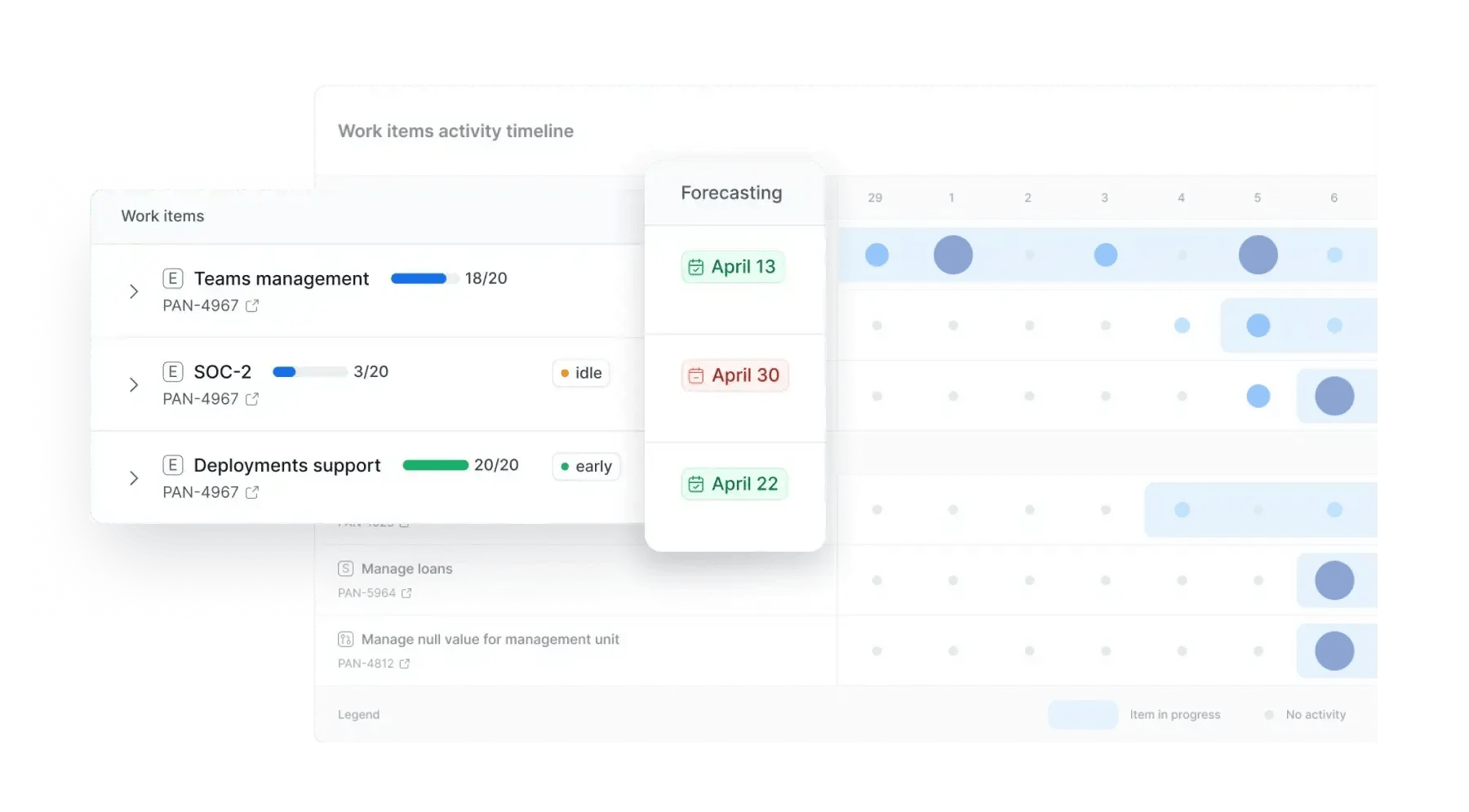
Plus, its Monte Carlo engine models thousands of possible outcomes to estimate when a set of items is likely to be finished. Instead of relying on Scrum metrics like burndown charts or linear projections, Axify uses real historical flow patterns to show the probability of completion across a range of dates.
With one system, you gain consistent advanced project visibility regardless of cadence.
Scrum assigns authority through defined roles, which means the Scrum report of progress ties closely to the responsibilities of the product owner, master, and delivery team. This helps you manage all types of teams with structured decision paths and clear expectations.
Kanban distributes ownership across the entire work team, which encourages broader involvement in flow control and local decision-making. And this shared structure usually works best when you need self-organized teams that respond directly to demand.
This model also reduces the load on individual roles because changes to flow are guided by policies instead of a formal hierarchy.
Scrum focuses on predictable cycles, so metrics like velocity charts, burndown charts, and the stability of sprint outcomes matter. These signals help you judge whether your patterns of execution support planning confidence and stable feedback from retrospectives.
Kanban brings a different view. It tracks cycle time, lead time, throughput, and work in progress. These metrics give you a direct reading of workflow habits, delays, and basically how progress moves across your system. And this helps you evaluate where queues rise and where bottlenecks form.
Remember: Axify centralizes core delivery metrics and integrates with Jira, Azure DevOps, GitHub, GitLab, and Bitbucket. This gives you one neutral view of performance regardless of your workflow management framework.
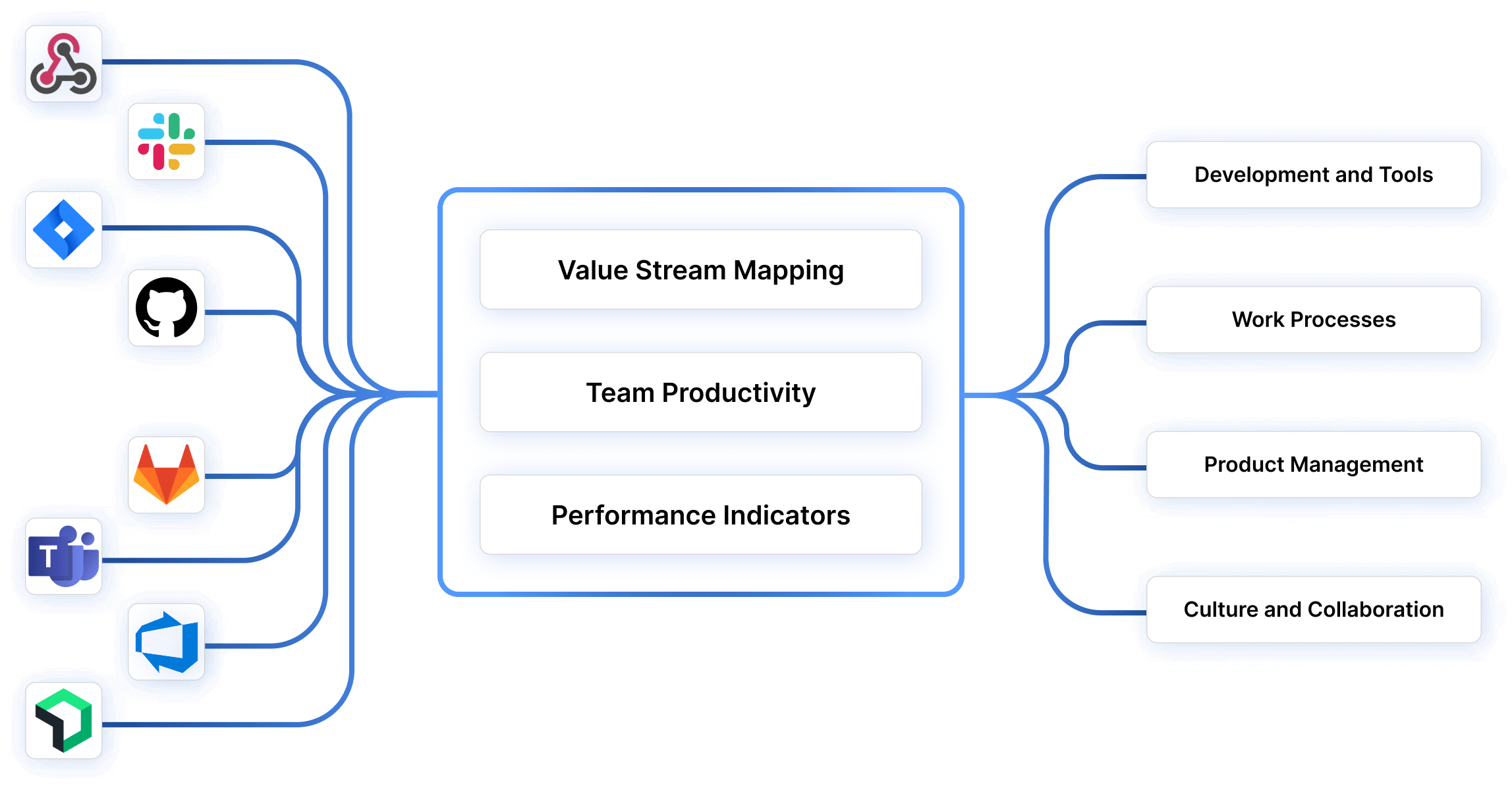
Kanban teams typically use Jira, Kanbanize, Asana, or Axify to move work across a board and manage flow through clearer workflow processes. Scrum teams rely on Jira, Axosoft, Vivify Scrum, or Axify to manage structured cycles and surface the indicators that matter inside Agile project management.
This range of tools shows how each model supports different types of teams with different stability needs. But with this out of the way, let’s continue by discussing the differences between the two boards.
Scrum and Kanban boards come down to how each system structures work and manages progress.
And this difference shows up in practice. One comparison across IT projects found that Scrum boards are tied to sprint states (planned work, execution, release, and retrospective) while Kanban boards remain fully populated at all times because they visualize continuous flow rather than sprint phases.
This makes Kanban boards better suited for spotting queues and delays in real time, while Scrum boards primarily reflect sprint commitments.
The same study reported an 8.5% profit lift and a 15.3% cost reduction under Scrum, though the study linked that to the full method rather than the board alone.
Axify adds value because it reads flow patterns across both formats with this Value Stream Mapping tool.
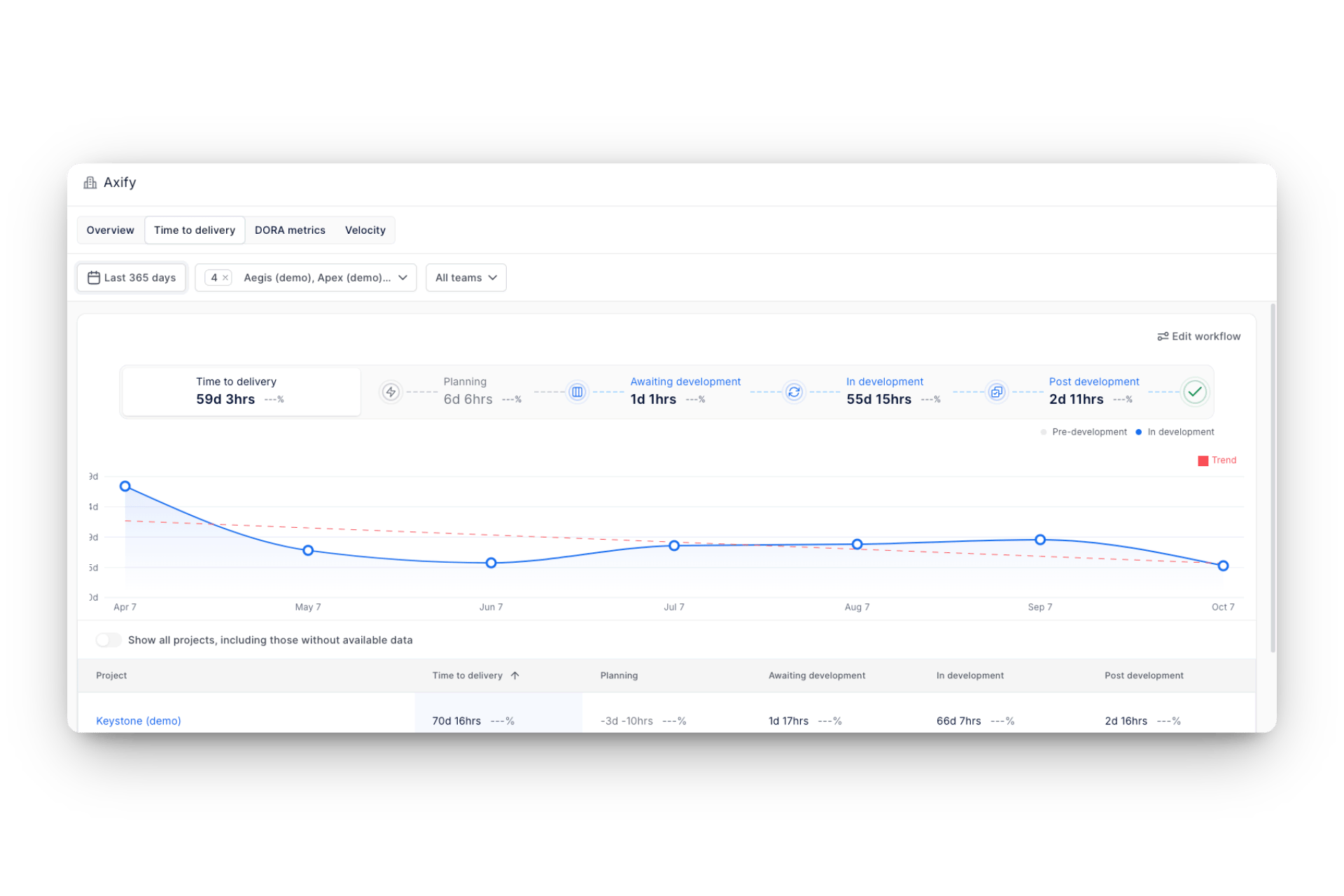
The tool tracks movement, blockers, and variation in one place and supports continuous improvement, whether you plan in sprints or work through constant flow. This gives you steady transparency across each type of project.
With this covered, let’s move on to the benefits and drawbacks of the two methods.
Both systems support structure, but each one shapes decision-making and planning pressure in a different way. And these differences matter when you judge how much control or flexibility your workflow actually needs. Here are the tradeoffs you weigh most often.
Kanban gives you freedom to shift priorities, adjust flow, and manage operational demand without waiting for a reset point. It fits environments where work arrives unpredictably, and teams need space to adapt.
Here are the advantages:
Kanban can also feel loose when teams lack discipline or shared practices, and some teams lose alignment without a clear cadence. And this issue compounds when experience is uneven.
One report notes that flexibility can act as a “double-edged sword” for new or inexperienced team members. This usually leads to unstable execution and unclear accountability.
Here are the drawbacks:
Scrum offers predictable cycles, fixed commitments, and clear ownership across roles. And this structure helps you manage risk when demand typically changes.
Here are the advantages:
Scrum also places boundaries around change, which can create tension when high-urgency work appears mid-cycle. And the ceremony load increases with larger teams.
Here are the drawbacks:
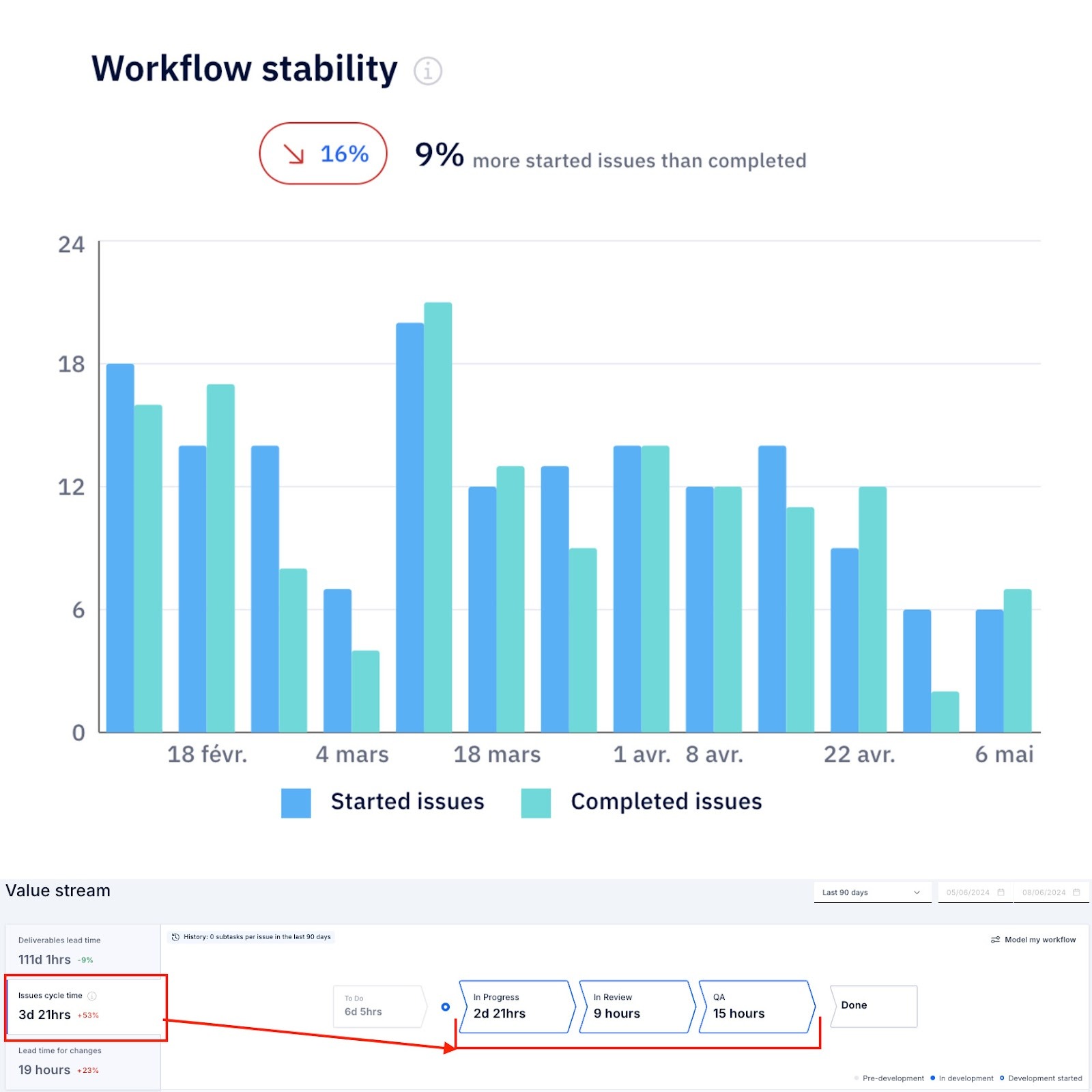
Axify measures flow, variation, and work stability across both systems without forcing you into one approach. It reads data from different tools and showcases your team’s patterns with equal depth. This gives you reliable project transparency regardless of your operating model.
But if you still need help picking one method, let's see when to use each one.
When to use Kanban vs Scrum comes down to how you want work to flow and how much structure your team needs to stay predictable. The decision gets easier once you look at what actually drives your delivery pressure rather than what each framework claims to offer. And this is where the real differences start to matter.
Scrum fits best when you need steady planning cycles, fixed commitments, and clear ownership across roles. It gives you a defined rhythm, which helps you manage expectations with leadership and reduces the risk of mid-cycle churn.
Teams that depend on structured prioritization or that work under tight stakeholder pressure typically gain stability from this model. The boundaries support planning confidence and reinforce consistent habits across the group.
Kanban works better when you need flexibility and a system that adjusts to constant changes in demand. It helps you keep work moving without waiting for a new cycle to begin, which gives you smoother adaptation in environments where priorities shift every week.
Pro tip: Kanban can be used with cadences (e.g., weekly replenishment, review, risk meeting). It just doesn’t require them the way Scrum does.
This usually fits operational-heavy teams, inbound queues, or groups that manage many concurrent requests. And the continuous flow helps you see delays quickly because the board never resets (even if your teams do sometimes clear or archive old columns).
Some teams land between the two. As maturity rises, Scrumban typically becomes a practical middle ground. It keeps elements of cadence for planning (though some Scrumban teams drop cadence entirely) while still allowing flow-based pull.
This hybrid approach works well when your team wants predictability but still deals with steady interruptions, urgent tickets, or evolving goals.
Both systems create real value when applied in the right context.
And the choice isn’t permanent.
What your team needs today may not match what it needs next quarter, especially as size, demand, and constraints shift.
So, the goal is to find a structure that matches how work actually arrives, how decisions get made, and how your team handles pressure over time.
Choosing between Scrum vs Kanban becomes easier when you look at your delivery signals through an objective lens. Axify gives you that layer by tracking flow, variation, and stability across both workflows without forcing one approach.
You can even use Axify to test both Scrum and Kanban. Track team performance under each model to compare how well each system supports your goals, where capacity tightens, and which patterns strengthen or weaken predictability.
This lets you pick the right Agile method for your team based on evidence.
If you want a clearer view of what your team needs next, book a demo and see how Axify supports your decision with real data.
